
Introduction
Growing pains are one of the most common causes of leg pain in children. Despite the name, there is no clear scientific evidence linking these pains directly to growth spurts. However, the term is still widely used to describe the recurring aches and discomfort many children experience during their early years.
While growing pains can sometimes worry both children and parents, they are generally harmless and tend to improve naturally over time.
What Are Growing Pains?
Growing pains are episodes of aching or throbbing pain, usually affecting the legs. They are most common in children between the ages of 5 and 15 years.
The pain often appears later in the day or during the evening and may occasionally wake a child during the night. By the following morning, symptoms have usually disappeared completely.
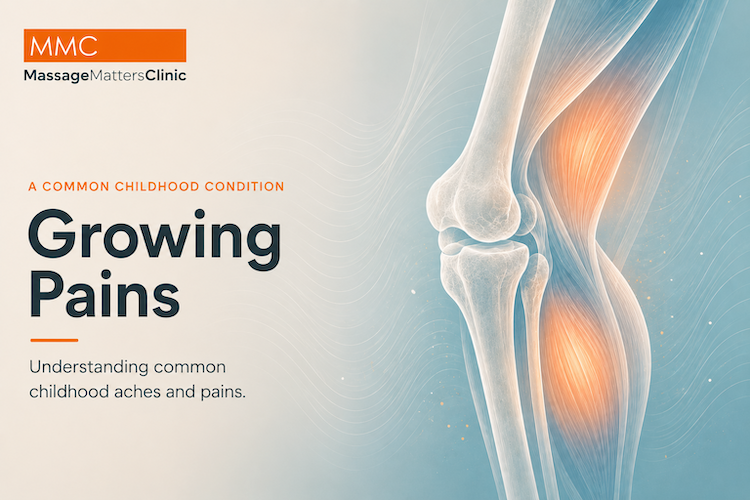
The areas most commonly affected include:
- The front and sides of the thighs
- The calves
- The shins
- Around the knees
Interestingly, growing pains usually affect both legs rather than just one.
What Causes Growing Pains?
The exact cause of growing pains is still unknown. Researchers believe they may be linked to muscle fatigue and overuse following physical activity such as running, jumping and playing during the day. Children who are particularly active may be more likely to experience them.
Some theories suggest growing pains may be associated with:
- Muscle overuse and fatigue
- Reduced flexibility
- Lower pain thresholds in some children
- Emotional stress or tiredness
Importantly, growing pains are not caused by serious illness and do not damage the bones, muscles or joints.
Common Symptoms
Typical symptoms of growing pains include:
- Aching or throbbing pain in the legs
- Pain occurring later in the day or at night
- Pain affecting both legs
- Episodes that come and go, with pain-free days or weeks in between
- Symptoms improving with warmth, massage or gentle stretching
Assessment
There is no single test used to diagnose growing pains. Assessment usually involves taking a thorough history, observation, palpation and, where appropriate, further physical testing.
Medical assessment may be recommended if any of the following are present:
- Persistent pain during the day
- Swelling, redness or significant tenderness
- Limping
- Fever
- Joint stiffness
- Pain consistently affecting only one leg
These symptoms may suggest a condition other than growing pains and should be assessed appropriately.
Treatment and Management
Growing pains generally do not require medical treatment and often improve naturally as children grow older.
Parents can help manage symptoms by:
- Gently massaging the affected area
- Applying warmth using a heat pad or hot water bottle
- Encouraging appropriate stretching exercises
- Using age-appropriate pain relief if recommended by a healthcare professional
Massage and gentle soft tissue work may also help some children feel more comfortable and relaxed during episodes of discomfort.
Prevention
Growing pains cannot always be prevented, but maintaining good flexibility, encouraging regular movement, and ensuring children wear supportive footwear during sport and play may help reduce discomfort in some cases. Good quality massage has proven to be highly effective.
If you have any concerns about persistent pain, limping, swelling or changes in your child’s activity levels, it is always worth seeking professional advice.