
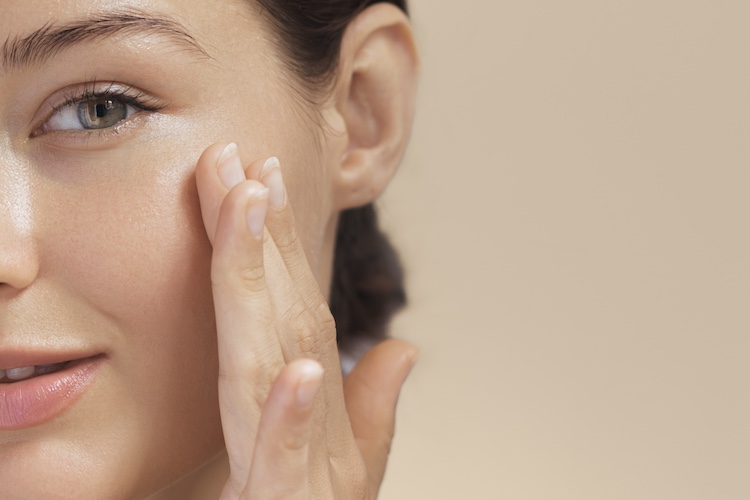
It would be completely understandable to think that the brain controls all neurological responses, but that is not the case. Your skin is the most sensory organ of the body. Interestingly, the brain itself cannot feel pain or pleasure, detect heat or cold, or respond to pressure — but your skin can.
It is the largest organ of the body and one of the heaviest, accounting for approximately 10–15% of total body weight (including underlying tissue) — around twenty pounds in an average adult. It has its own clock, its own metabolism, and its own biome.
The average adult sheds about 30,000 skin cells per minute — around 43 million every 24 hours. It is estimated that a large proportion of household dust is, in fact, dead skin cells.
Your skin has three key layers, from top to bottom — or from the outside in if you prefer.
These are called the Epidermis, Dermis and Hypodermis.
Today, I am going to focus on the epidermis — the part we can all see and touch.
The Epidermis
“Epi” comes from the Greek meaning outer, and “derma” meaning skin. This is the thinnest layer of skin, and its depth varies throughout the body — thinnest on the eyelid at around 34 microns, and up to roughly 90 microns on the heel of the foot.
But do not be fooled into thinking it is simple. This microscopically thin layer contains five distinct sublayers, each performing a specific function.
It functions like a vast production line from bottom to top.
Life for a skin cell begins in the deepest of these five layers, called the Stratum Basale. All new skin cells develop here. On average, it takes between 28 and 42 days for a cell to reach the surface before eventually being shed. This process varies with age — in babies it may take as little as 14 days, whereas in those over 60 it can take closer to 90 days.
Other factors influencing this cycle include stress, hydration, overall skin health and hormonal changes (Massage can definitely help here!). On average, you replace your entire outer layer of skin roughly every month.
This layer also produces specialised cells called melanocytes. These produce melanin, the pigment that determines skin colour — the more melanin present, the darker the skin tone. Melanocytes also play an important role in protecting against ultraviolet radiation and supporting immune function. They account for approximately 5–10% of the cells in this layer.
In addition, this layer contains specialised stem cells that produce keratin — a protein essential for forming hair and nails.
Why “The Emotional Organ”?
Although we often associate emotion with the brain, the skin is deeply connected to the nervous system. It contains millions of sensory receptors that detect pressure, temperature and touch, constantly sending information back to the brain. Gentle, reassuring touch can influence stress levels, calm the nervous system and support overall wellbeing.
In this sense, the skin is not just a protective barrier — it is a communication organ, playing a vital role in how we experience safety, comfort and human connection.
You would probably expect me to be an enthusiast of massage for improving skin health — and I am. Massage supports healthy circulation, assists lymphatic flow, encourages relaxation and helps maintain hydration of the skin.
Of equal importance, our massage lotion contains no parabens or harsh chemicals and has been dermatologically tested.
Thank you
John Holman – Clinic Lead