I’ve just listened to an excellent podcast conversation between Dr Rangan Chatterjee and Dr Elissa Epel, a psychologist and researcher whose work explores how stress affects the body and the ageing process. It definitely caused me to think about my own life and how much true, deep rest I manage to find. I’ll be honest – since using a smartphone and, in particular, social media apps, I think this has plummeted. Further down, you’ll find the concept of “blue mind” rest – I honestly can’t remember when I last achieved it.
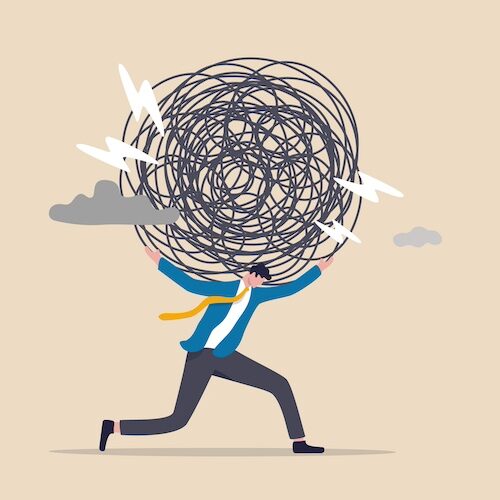
We often talk about stress as an unpleasant feeling – being tense, overwhelmed, irritable or unable to switch off. But stress is also a physical process. It changes our heart rate, breathing, muscle tension, hormones and immune activity.
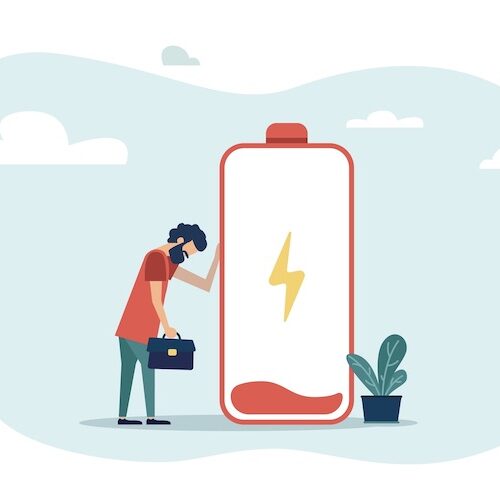
In the short term, this response is useful. It gives us the energy and focus to deal with a demanding situation. The problem is not that we experience stress, but that many of us spend too much time in a state of alertness without fully recovering afterwards.
Stress at a cellular level
One area of Dr Epel’s research concerns telomeres. These are protective structures at the ends of our chromosomes, sometimes compared with the plastic tips that stop shoelaces from fraying.
Telomeres naturally shorten as cells divide and as we grow older. Research has also found associations between shorter telomeres and prolonged psychological stress, although ageing is considerably more complicated than any single biological measurement.
The important point is not that every difficult day is making us suddenly older. It is that repeated stress, without sufficient opportunities for recovery, can contribute to the accumulated wear and tear placed on the body.
Are we ever truly resting?
Dr Epel describes four different mind states:
- Red mind is the intense fight-or-flight state we might experience during an immediate challenge.
- Yellow mind is subtler: the background mental load of messages, deadlines, unfinished tasks, traffic, noise and constant problem-solving.
- Green mind describes active relaxation, perhaps while walking outdoors, breathing slowly or spending time doing something absorbing and enjoyable.
- Blue mind is a state of deeper rest, in which we feel sufficiently safe to let our guard down and allow the body to focus more fully on recovery.
These labels are not medical diagnoses but instead offer a helpful way of noticing where we spend most of our time.
Many of us recognise the red state, but yellow mind may be more easily overlooked. We might be sitting down or watching television while still checking our phones, thinking about tomorrow and mentally working through a list of problems. Physically inactive does not necessarily mean physiologically relaxed.
Why feeling safe matters
Our nervous system is continually assessing whether we are safe.
Noise, isolation, financial pressure, difficult relationships and demanding environments can all make it harder to switch out of vigilance. By contrast, supportive relationships, familiar surroundings, nature and gentle sensory experiences can help signal that immediate action is no longer required.
This is one reason rest is about more than simply stopping work. Genuine recovery may require us to feel physically and socially safe enough to stop anticipating the next demand.
Changing our response to pressure
The podcast also explores the distinction between viewing a difficult situation as a threat or as a challenge.
When we believe a situation is dangerous and that we do not have the resources to cope, the stress response may become more intense and prolonged. When we see the same situation as difficult but manageable, the body may respond in a way that better supports concentration and performance.
This does not mean pretending that serious problems are positive. It means noticing the story we are telling ourselves and asking whether there is another accurate but more helpful way to interpret what is happening.
Small ways to encourage recovery
Rest does not have to involve a retreat, a perfect meditation practice or hours of spare time. Small, repeated signals of safety can help the body move out of constant alertness. These might include:
- breathing slowly for a few minutes
- walking somewhere green
- putting phones and work away before bedtime
- writing down tomorrow’s tasks rather than carrying them mentally
- noticing where the body is holding tension
- spending time with someone—or something—that helps us feel calm and secure
Massage may also provide a protected period in which there is nothing to organise, answer or achieve. Although it would be an overstatement to claim that a massage reverses cellular ageing, many people find that touch, quiet surroundings and a pause from everyday demands help them recognise and release tension they had stopped noticing.
Stress is not the enemy
We need stress – it helps us respond, adapt and grow. What matters is whether stress is followed by recovery.
Perhaps the most useful message from the podcast is that rest is not an indulgence or a reward we earn after everything else is finished. It is part of the biological rhythm that allows us to keep functioning well.
In a culture that places enormous value on productivity and constant availability, learning how to rest deeply may be one of the most practical things we can do for our long-term health.
Further listening
This article was inspired by Dr Rangan Chatterjee’s conversation with stress and ageing researcher Dr Elissa Epel, The Science of Deep Rest: How Relaxation Calms Stress and Slows Ageing. We highly recommend listening to the original conversation for a much fuller exploration of the research and practical ideas discussed here.