I remember having a conversation with my mum about five years ago about weight gain, and wondering whether it could really be as straightforward as calories in versus calories out. What bothered me most was the suggestion that managing our weight is largely a question of willpower, and that people who struggle with theirs simply lack the discipline of those who don’t. That argument has always particularly annoyed me. Our behaviour is more complicated under the bonnet than it feels from the inside, and I think “just try harder” has too often become a stick for society to beat certain people with.
The amount of energy we eat compared with the amount we use does matter, of course. But I’ve always felt there must be more going on than that. Our appetite, behaviours and choices don’t exist in isolation; they’re shaped by our biology, our environment and the circumstances of our lives. More recently, reading Ultra-Processed People by Chris van Tulleken challenged another assumption I’d long held, that doing more exercise necessarily means burning substantially more calories overall. Our bodies seem to be rather more adaptable than that, sometimes compensating for extra activity by cutting back energy use elsewhere.
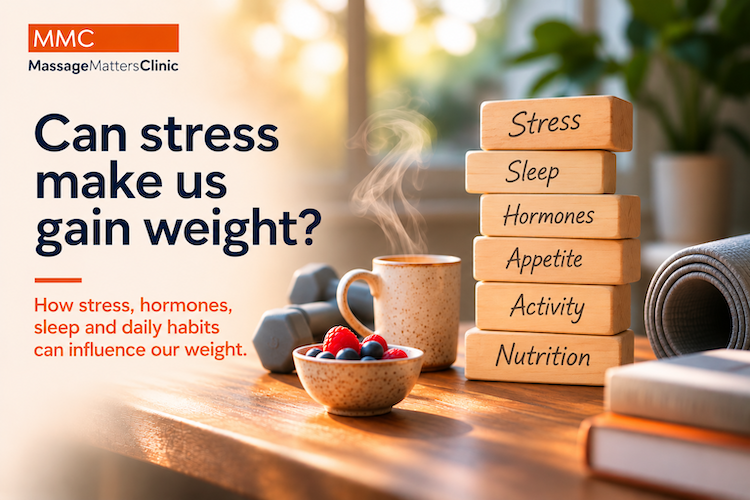
That left me wondering what else might influence our weight if the body regulates energy in ways we’re not always aware of. I was reminded of it recently when I came across an episode of ZOE featuring reproductive health researcher Dr Helen O’Neill and nutrition scientist Dr Federica Amati, which explored how hormones influence everything from mood and energy to appetite and metabolism. It took me back to a question I’ve often wondered about: can stress actually contribute to weight gain?
What happens when we’re stressed?
When we come up against something stressful, the body sets off a series of responses designed to help us cope. One of the hormones involved is cortisol, produced by the adrenal glands. It’s often called “the stress hormone”, but it isn’t something to regard as harmful by default. It helps regulate blood sugar, supports our natural sleep–wake rhythm and makes energy available when we need it.
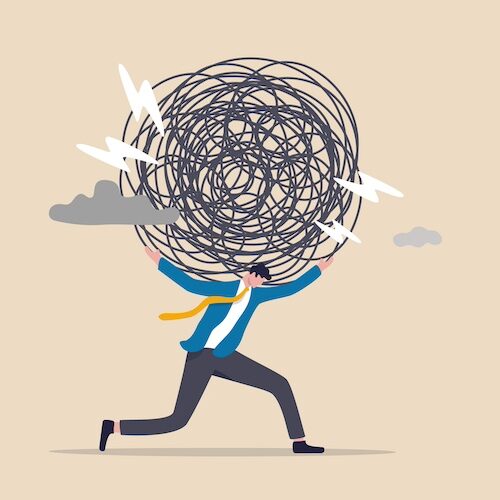
The trouble can start when stress becomes prolonged and our normal patterns of stress regulation are disrupted. Over time, chronic stress can affect appetite, sleep, blood-sugar regulation and the choices we make around food and activity, and for some people that may contribute to weight gain. It’s not inevitable, though. People respond to stress very differently, and some actually lose their appetite or weight.
Why stress can affect our appetite
One point from the ZOE conversation that stuck with me was that hormones aren’t only produced by the familiar glands like the thyroid and adrenals. The digestive system makes them too, including GLP-1 and PYY, which help tell the brain about food intake and fullness. Appetite, in other words, comes out of a fairly complicated conversation between the gut, the brain and the wider hormonal system.
Stress can influence that regulation, and it can also make highly palatable, energy-dense foods more appealing to some people. When we’re exhausted after a demanding day, we’re not necessarily making food choices under ideal conditions either. It’s not simply a question of willpower; physiology, environment and behaviour are all interacting.
What about belly fat?
You may have heard that cortisol makes fat build up around the abdomen. There’s some scientific reasoning behind that. Prolonged high cortisol, particularly in certain medical conditions, can affect where fat is stored, and research also points to links between chronic stress, appetite and abdominal fat.
But it’s too simplistic to say that everyday stress automatically raises cortisol and causes belly fat. Cortisol naturally rises and falls through the day, and the research linking psychological stress directly to weight gain is mixed. Age, genetics, menopause, sleep, diet and activity all play a part in how and where we store fat, so stress may be one piece of the picture, but it rarely explains everything.
Sleep and recovery
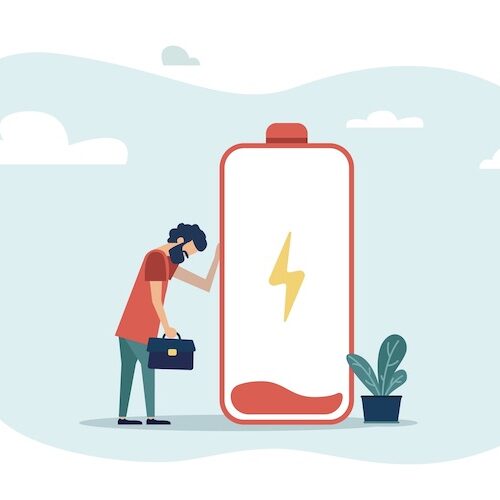
One of the clearest ways stress can affect our weight is probably through sleep. When we’re stressed, sleep tends to get shorter or more broken, and poor sleep in turn affects appetite regulation, food preferences, energy and our motivation to be active. It’s easy to see how that becomes a loop: we’re stressed so we sleep badly, we’re tired so we feel less like exercising and reach for whatever’s convenient, and those changes make it harder to look after our health the way we’d like. It’s also why focusing only on diet and exercise can miss an important part of the problem.
Looking at the bigger picture
None of this means that reducing stress will automatically lead to weight loss, or that anyone struggling with their weight must have a hormonal imbalance. What it does show is how closely connected the body’s systems are. Eating a varied, nutritious diet, staying active and maintaining muscle strength all still matter, and so do sleep, recovery and finding ways to manage prolonged stress.
So alongside asking “Should I be eating less?”, it’s worth asking whether you’re sleeping well, whether you’re constantly under pressure, and whether you’re giving your body enough chance to recover. If weight changes are unexplained, persistent or come with other symptoms, it’s worth talking to your GP, since conditions like an underactive thyroid can also affect weight and energy.
Stress isn’t necessarily the cause of weight gain, but it can be an important part of the picture, and understanding that gives us a more complete, and hopefully more useful, way of thinking about our health.
Further reading and listening
This article was inspired by ZOE’s podcast episode, Tired, anxious, gaining weight? It could be your hormones, featuring Dr Helen O’Neill and Dr Federica Amati. The original conversation looks at the wider role of hormones in our health, particularly how nutrition and the gut influence appetite and metabolism.
Click here to listen to the ZOE episode
The opening also draws on Ultra-Processed People by Chris van Tulleken, particularly its discussion of energy expenditure and the body’s adaptations to physical activity. The sections on cortisol, chronic stress and weight gain draw on wider scientific research, and aren’t intended to suggest that all of these points were covered in the original ZOE conversation.
If you’d like to explore the idea that our behaviour is shaped by far more than conscious choice, Robert Sapolsky’s Behave and Determined, and Sam Harris’s Free Will, are all worth a read.
As always, this is general information rather than personalised medical advice. If you’re experiencing unexplained weight changes, persistent fatigue or other concerning symptoms, please speak to your GP.